
Getting Ready for School at EduArt: How We Prepare Children for School and How You Can Help
The final year of preschool is an important stage in a child's life. As the transition to primary school approaches, many questions arise. Is my child ready for school? What skills should they have? Which school should we choose? And how can we support them so that they look forward to starting school rather than feeling anxious about it?
What Does School Readiness Actually Mean?
School readiness is not just about recognising letters, counting or holding a pencil correctly. Equally important is whether a child can concentrate for an age-appropriate period of time, cope with minor setbacks, ask for help, cooperate with others and follow rules.
Experts distinguish between school maturity, which is related to a child's natural development, and school readiness, which is influenced by their experiences, upbringing and environment.
Another important aspect is the ability to approach tasks with focus and persistence – being able to engage not only in activities a child enjoys, but also in assigned tasks, stay focused for a reasonable amount of time and complete them.
Emotional maturity also plays an important role. How does a child cope with disappointment? Can they accept that something has not gone as planned? Are they able to turn to an adult when they need help?
We should not overlook physical readiness, coordination and stamina either. It is the combination of all these abilities that helps children manage the everyday demands of their first year at school.
All these areas are closely connected. Every child develops at their own pace, and it is important to consider the child as a whole rather than focusing only on individual skills.
How Do We Prepare Children for School at EduArt?
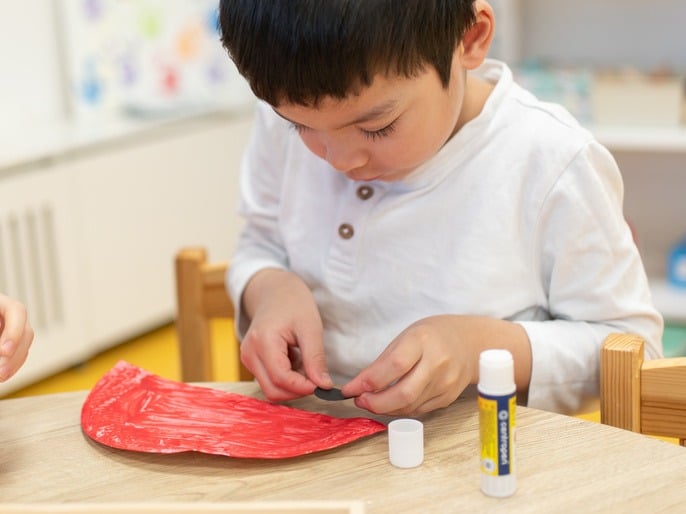
At EduArt, we see school preparation as a natural part of everyday preschool life. Children learn through play, group projects, movement, creative activities and everyday experiences. In addition, we provide focused, 30-minute school preparation sessions three to four times a week.
We develop language and communication skills, early mathematical understanding, memory, attention, visual and auditory perception, pre-writing skills, and both fine and gross motor skills. Regular speech and language development activities are also an important part of our programme.
We place equal emphasis on independence, social skills and healthy self-confidence. We want children to feel comfortable thinking independently, asking questions, trying new things and making mistakes. Our approach is based on each child's individual needs and strengths.
We continuously monitor children's progress and share our observations with parents through regular consultations and monthly progress reports. This allows us to work together to identify and support areas that need further development.
Our school preparation programme also includes visits to primary schools, giving children the opportunity to experience a first-grade classroom environment.
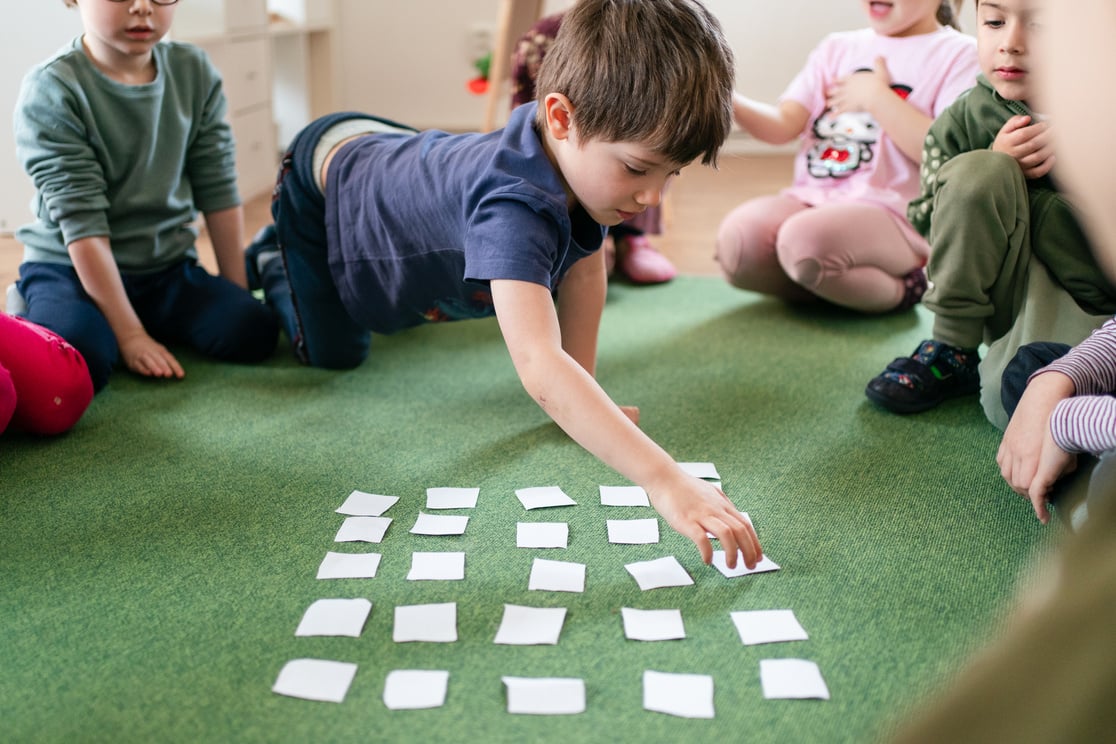
How Can You Prepare Your Child for School Enrolment Without Unnecessary Stress?
School enrolment should not feel like an exam that children need to prepare for through intensive practice.
Talk positively about school, read books about starting primary school and attend school open days together.
At home, encourage independence, play games together, read regularly and give your child opportunities to complete small tasks on their own.
Avoid comparing your child with others or passing on your own worries and anxieties.
What matters more than a perfect performance during school enrolment is that your child starts school feeling confident in their abilities and eager to learn.
How to Choose the Right Primary School
We recommend starting to explore primary school options no later than autumn. In the Czech Republic, enrolment for the first year of primary school takes place between 15 January and 15 February, with each school setting its own specific date.
When choosing a school, consider not only its location but, above all, its educational approach and overall atmosphere.
Would your child thrive in a more structured, academically focused environment, or would they benefit from a more alternative approach that allows greater flexibility, independence and opportunities for discovery?
Neither approach is automatically better. What matters is finding a good match between your child's needs, your family's values and the school's educational philosophy.
It is also worth asking how the school approaches mistakes, assessment and individual differences between children.
Our shared goal is not simply to prepare children for school enrolment, but above all to give them the best possible start to their school journey. We want them to enter primary school as independent, confident and curious learners who genuinely enjoy discovering new things.