How to talk to children about food and why it matters
"You won't leave the table until you've finished!" – a sentence many of us remember. The atmosphere at the table plays a key role in shaping a child's relationship with food, building trust between parent and child, and forming future eating habits. Nutritional therapist Alena Boukalová explains how to talk to children about food honestly, respectfully and in an age-appropriate way.
"You won't leave the table until you've finished!" A sentence many of us may have heard. Perhaps you can still recall the feeling of helplessness and frustration that built up inside you in that moment. You felt a huge weight on your chest and in your throat, lowered your eyes and reluctantly put another bite in your mouth. And the parent was probably just trying to make sure their effort in preparing the meal wasn't wasted. They too were feeling great frustration with the whole situation.
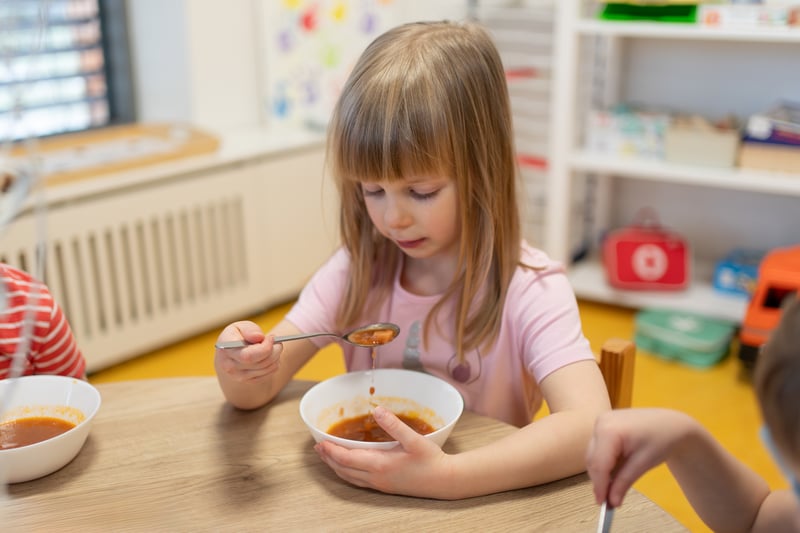
The atmosphere at the table plays a key role for a child in developing a (un)healthy relationship with food, building trust between parent and child, and shaping future eating habits.
For children, mealtimes are not just about satisfying hunger – they learn table manners, get acquainted with different textures of food, discover new tastes and aromas, learn to recognise feelings of hunger and fullness, and learn to respect food itself and the effort that goes into preparing it.
The atmosphere at mealtimes often reflects a parent's particular parenting style. The authoritative style – which listens to the child while also setting clear boundaries and rules – appears to be the most beneficial approach when it comes to eating. This applies at the table too.
What kind of lifestyle your child will prefer in the future is of course influenced by other factors, the most significant of which is the child's temperament. There is therefore no single universal guide that guarantees perfect eating habits. But we can try to outline at least the basic principles of communicating about food that seem most useful.
As time goes by…
It is very beneficial to develop conversation and communication skills during shared mealtimes or food preparation. Conversation should always match the child's current age. The older children are, the more we can talk with them about what food gives us, why we eat it and exactly what it contains. At the very beginning, simple sound words and exclamations are enough for children.
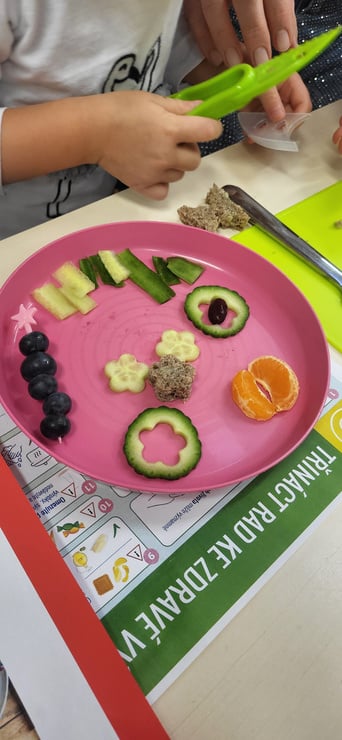
After a child's first year, we can begin using short sentences at mealtimes and symbolism starts to become important for them. During shared meals we can point out the shapes of foods and compare them to familiar things, or we can tell stories about food: "That tomato is round like a ball," or "That piece of pasta looks like a little flower."
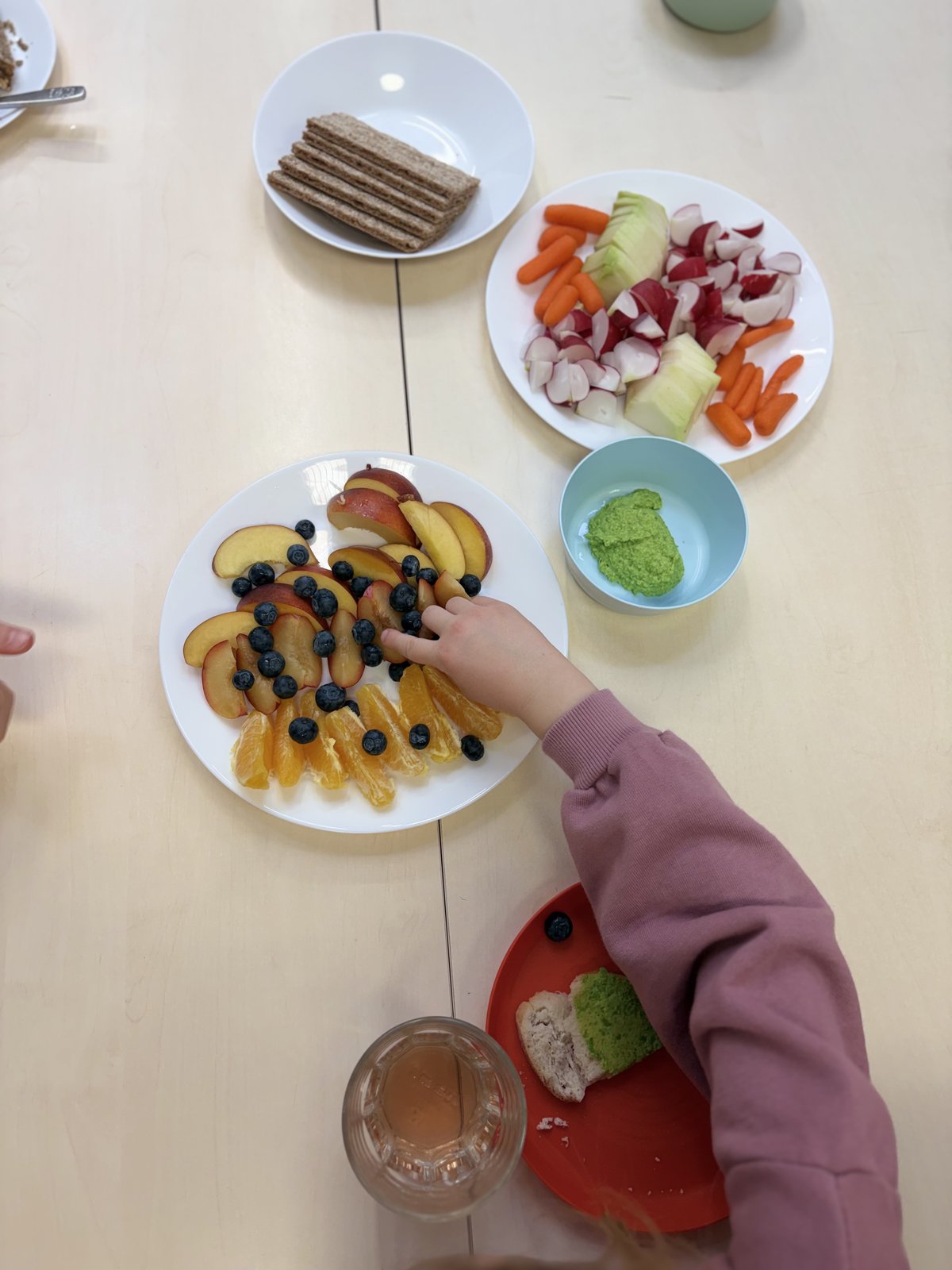
It is still very abstract for young children to grasp cause and effect. Sentences like "If you don't eat your meat you won't have any strength" are hard for them to take in. It is better to focus on describing the properties of foods and to stimulate the child's imagination: "That carrot is orange and it crunches a lot – listen," or "Broccoli looks like a little tree for a dinosaur."
In the pre-school years, children begin to slowly develop logical thinking and we can gradually introduce specific examples of what foods do for us in our bodies: "Milk will help you have strong bones," or "Green vegetables help our body fight off germs."
Leading by example
The way we communicate with children changes over the years, but what stays the same? Respect for the child, joy and a calm atmosphere. We will certainly do a much better job of building a child's positive relationship with food if we adults also manage to leave out negative phrases at mealtimes such as "Ugh, I wouldn't eat that," or "That's more for rabbits, isn't it?" Children don't understand sarcasm and irony. If they hear us say things like "Sugar is poison," they may take this completely literally.
Sweets are often used as rewards or consolation. Phrases like "If you eat that you'll get a lollipop," or "Don't cry, come and have some ice cream," essentially tell the child that sweets are a reward, that they are something more than ordinary food. But treats shouldn't be taboo in the diet either – rather than using them as rewards, the right approach is to talk about them as desserts that we have only a little of in our diet.
In conclusion
So how should we talk to children about food? Honestly, with respect and in keeping with their age, focusing on the beautiful and positive aspects that eating brings us. Not using food to threaten or reward. Because just as you enjoy a relaxed atmosphere at dinner in a restaurant, children too deserve a relaxed atmosphere at the family table, where they can safely explore the colourful and fun world of nutrition.
Author: Alena Boukalová, nutritional therapist